Planning
Rovaniemi vs Tromsø vs Abisko: Where Should You See the Northern Lights?
Rovaniemi, Tromsø or Abisko for the Northern Lights? Latitude, cloud, temperatures, polar night, flights and daytime activities compared, with an honest verdict from guides based in Rovaniemi.
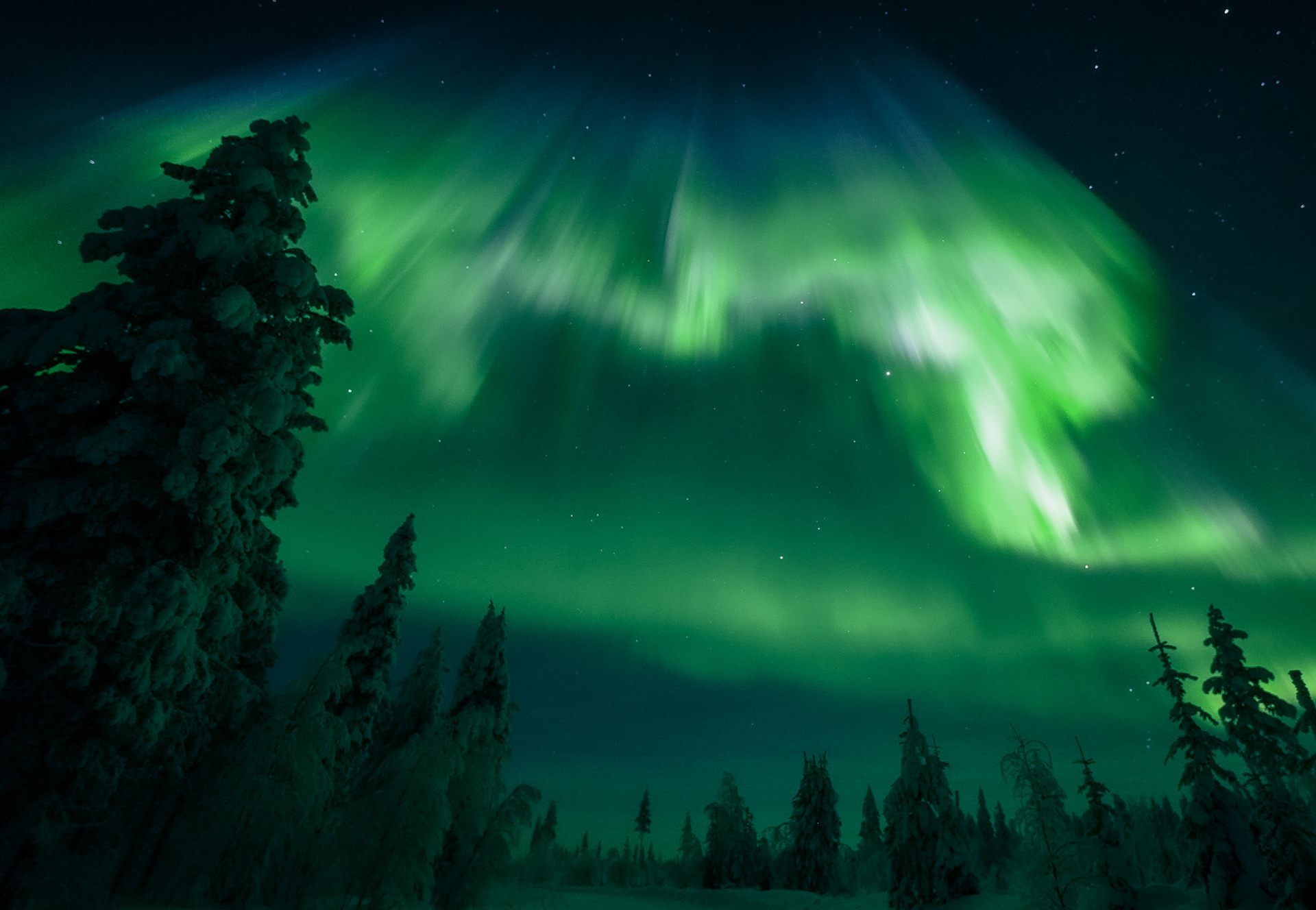
Short answer: all three sit under the auroral oval and all three deliver the Northern Lights on a good night. Abisko in Sweden has the best clear-sky statistics on paper thanks to its rain-shadow "blue hole". Tromsø in Norway has the mildest weather and the most city, but also the most cloud. Rovaniemi in Finland has the widest programme of winter activities, the easiest flights, and, if you book with us, a money-back guarantee on the aurora itself. We are based in Rovaniemi, so read our verdict with that in mind; the numbers below are from the national weather services.
The three destinations side by side
| Factor | Rovaniemi, Finland | Tromsø, Norway | Abisko, Sweden |
|---|---|---|---|
| Latitude | 66.5°N, on the Arctic Circle | 69.6°N, 300 km north of the Arctic Circle | 68.4°N |
| Climate | Inland, dry continental winter | Coastal, mild, wet and windy | Inland rain shadow, one of the driest places in Sweden |
| January daily mean | −10.3 °C (FMI, 1991-2020) | Around −4 °C (coastal) | −10.5 °C (SMHI station, 2002-2020) |
| Cloud | Heavy in Dec-Jan, clearing in Feb-Mar; tours drive to clear sky | Most frequent cloud of the three; guides often drive inland to Finland | Least cloud; a 10-20 km² "blue hole" often opens over the lake |
| Polar night | None: the sun rises every day, about 2 hours at the solstice | Late November to mid-January without sun | About a month around the solstice without sun |
| Getting there | Own airport, 1 h 15 from Helsinki; direct winter flights from several European cities | Own airport, mostly via Oslo | Fly to Kiruna, then about 100 km by road or rail |
| Daytime | Santa Claus Village, huskies, reindeer, snowmobiles, Korouoma and Riisitunturi | Fjords, whale watching (Nov-Jan), cable car, city life | National park, Aurora Sky Station chairlift, very quiet |
| Aurora tours | Guided chases of 4-12 hours; 100% money-back guarantee with Polar Lapland | Minibus chases, sometimes 300 km round trips | Sky Station viewing plus local chases |
| Best for | Families, first-timers, a complete winter trip with strong aurora odds | Scenery, nightlife, mild weather | Pure aurora hunters and photographers |
Sources: Finnish Meteorological Institute (Rovaniemi 1991-2020 normals); Wikipedia climate tables for Tromsø and Abisko (SMHI data); Space.com on the Abisko blue hole.
Aurora odds: latitude matters less than cloud
All three towns lie inside the auroral oval, the ring around the magnetic pole where the lights appear most nights. Tromsø and Abisko are two to three degrees further north than Rovaniemi, which helps a little on quiet nights, but the difference between a good and a bad aurora trip is almost never latitude. It is cloud.
Tromsø's coastal position is its weakness: moist Atlantic air meets the mountains and the city is clouded in more often than the other two. Local guides routinely drive 150 km inland, sometimes over the Finnish border, to find clear sky. Abisko has the opposite geography: the same mountains block the moisture, and the lake basin often sits under a patch of clear sky, the blue hole, while everything around it is overcast. Rovaniemi is between the two. Midwinter is cloudy, late winter is clear, and the town sits on a road network that lets a guide reach clear sky in any direction, north to the fells or west into Sweden.
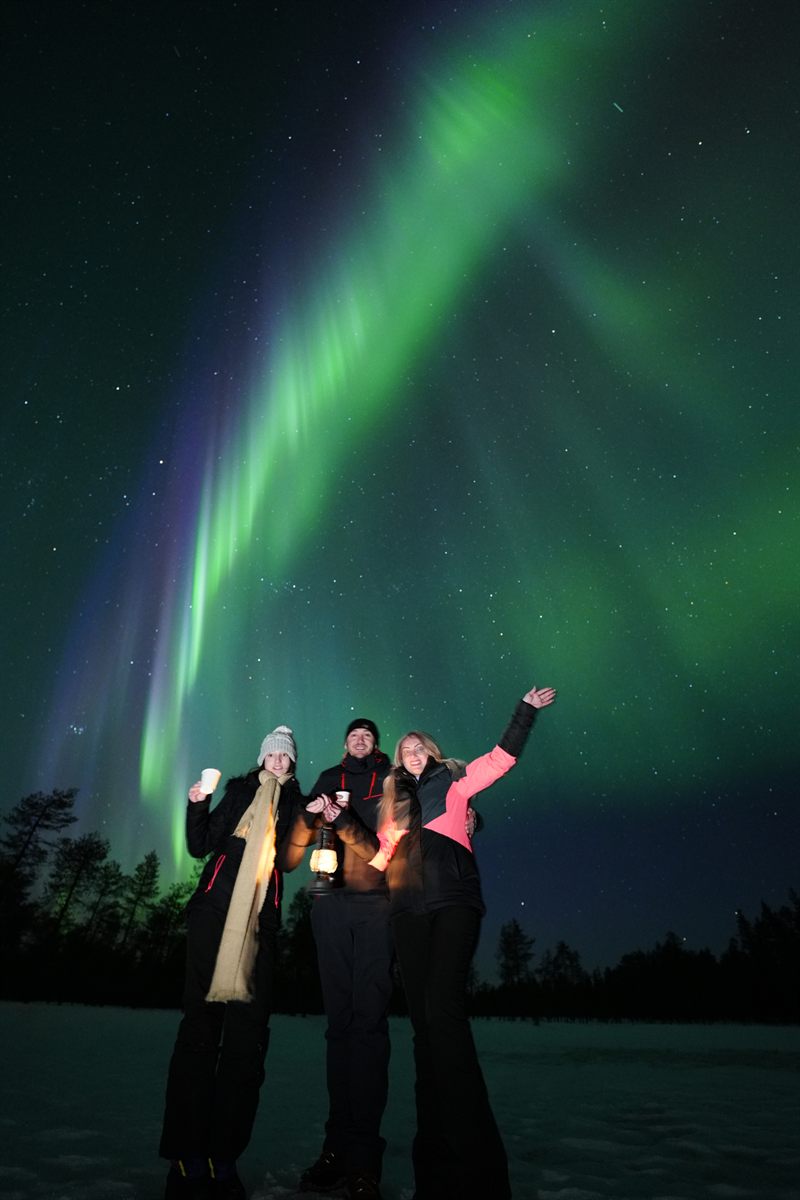
That road network is why we chase rather than wait. On a Polar Lapland tour the guide compares three cloud models and the live solar wind each evening and drives to the best sky, up to 350 km if needed. If we still cannot photograph you under the lights, you get your money back. See how the guarantee works.
Weather and comfort
Tromsø is the mild one: January averages around −4 °C and it can rain in the middle of winter, which is comfortable for walking but bad for snow activities and for photography on wet nights. Rovaniemi and Abisko share dry, continental cold, with January means around −10 °C and cold snaps to −30 °C. Dry cold is easier to dress for than wet cold, and it comes with reliable snow from November to April. Our packing guide applies to all three.
Daylight also differs. Tromsø and Abisko have a real polar night in December, with no sunrise at all for weeks. Rovaniemi sits right on the Arctic Circle, so the sun rises every day of the year, about two hours at the solstice, with long blue twilights either side. For families and photographers that daily light makes a difference.
What you do when it is not dark
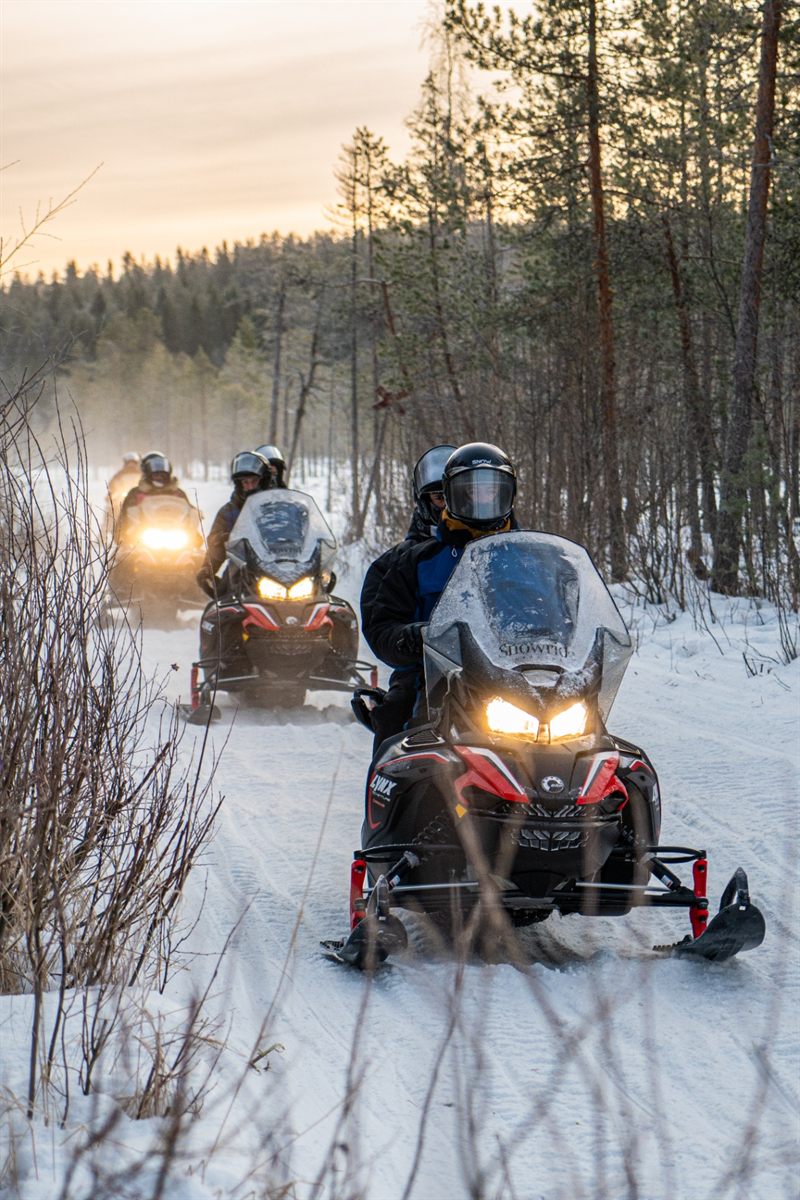
This is where Rovaniemi pulls ahead. It is the official hometown of Santa Claus, with Santa Claus Village on the Arctic Circle line; it has husky farms, reindeer farms and snowmobile trails within minutes of the centre; and two of Finland's most spectacular winter landscapes, Korouoma's frozen waterfalls and Riisitunturi's snow-crowned trees, are day trips. Tromsø offers fjord scenery, a cable car and, from November to January, whale watching. Abisko is a small village with a national park and the Aurora Sky Station chairlift; it is wonderful for the lights and quiet for everything else.
Cost and logistics
Rovaniemi is the easiest of the three to reach: its own airport is 75 minutes from Helsinki and has direct winter flights from several European cities, and the city has by far the largest supply of apartments and hotels, which keeps prices competitive outside Christmas week. Tromsø is reached via Oslo and is priced like a Norwegian city. Abisko has limited accommodation and needs a transfer from Kiruna, so it is best booked far ahead. Our aurora tours start at 99€ per person, and we can bundle tours with an apartment.
Our honest verdict
- Choose Abisko if the aurora is the only thing on your list, you are travelling without children, and you want the best clear-sky odds on paper.
- Choose Tromsø if you want a lively city, fjord scenery and milder weather, and you accept that cloud may send your tour a long way inland.
- Choose Rovaniemi if you want strong aurora odds plus a full winter programme, daylight every day, simple flights, and a guarantee that refunds you if the lights do not show.
Whichever you choose, book your aurora hunt for your first night, not your last, and read the month-by-month guide before you fix your dates.
Whichever tour you pick, every Polar Lapland aurora hunt comes with the 100% money-back Aurora Guarantee: no photo of you with the Northern Lights, no payment.
Frequently Asked Questions
Is Rovaniemi or Tromsø better for the Northern Lights?
Both sit under the auroral oval. Tromsø is further north but has more cloud because of its coastal climate; Rovaniemi is drier and colder with reliable snow, and its road network lets guides reach clear sky in any direction. For a complete winter trip with strong aurora odds, Rovaniemi; for fjord scenery and a city, Tromsø.
Is Abisko really the best place in Europe to see the Northern Lights?
Abisko has the best clear-sky statistics of the three because it lies in a rain shadow behind the Scandinavian mountains, which often opens a patch of clear sky known as the blue hole. It is a small village with limited accommodation and few daytime activities, so it suits dedicated aurora hunters more than families.
Does Rovaniemi have a polar night?
No. Rovaniemi sits on the Arctic Circle, so the sun rises every day of the year, for about two hours at the winter solstice, with hours of blue twilight either side. Tromsø and Abisko, further north, have weeks without sunrise in December.
Which is cheaper for a Northern Lights trip: Rovaniemi, Tromsø or Abisko?
Rovaniemi generally, thanks to direct flights, a large supply of apartments and hotels, and competitive tour prices outside Christmas week. Tromsø carries Norwegian city prices, and Abisko has limited lodging plus a transfer from Kiruna.
Can a Rovaniemi aurora tour drive into Sweden?
Yes. Polar Lapland guides plan each night from live cloud data and drive to the clearest sky, up to 350 km if needed, including across the Swedish border. If we still cannot photograph you under the lights, the tour is refunded.