
What to Wear for a Northern Lights Tour in Lapland: A Packing List
A practical packing guide for Arctic aurora tours. Learn the layering system, what to bring, where to rent gear, and what to avoid, written for first-time visitors to Rovaniemi.
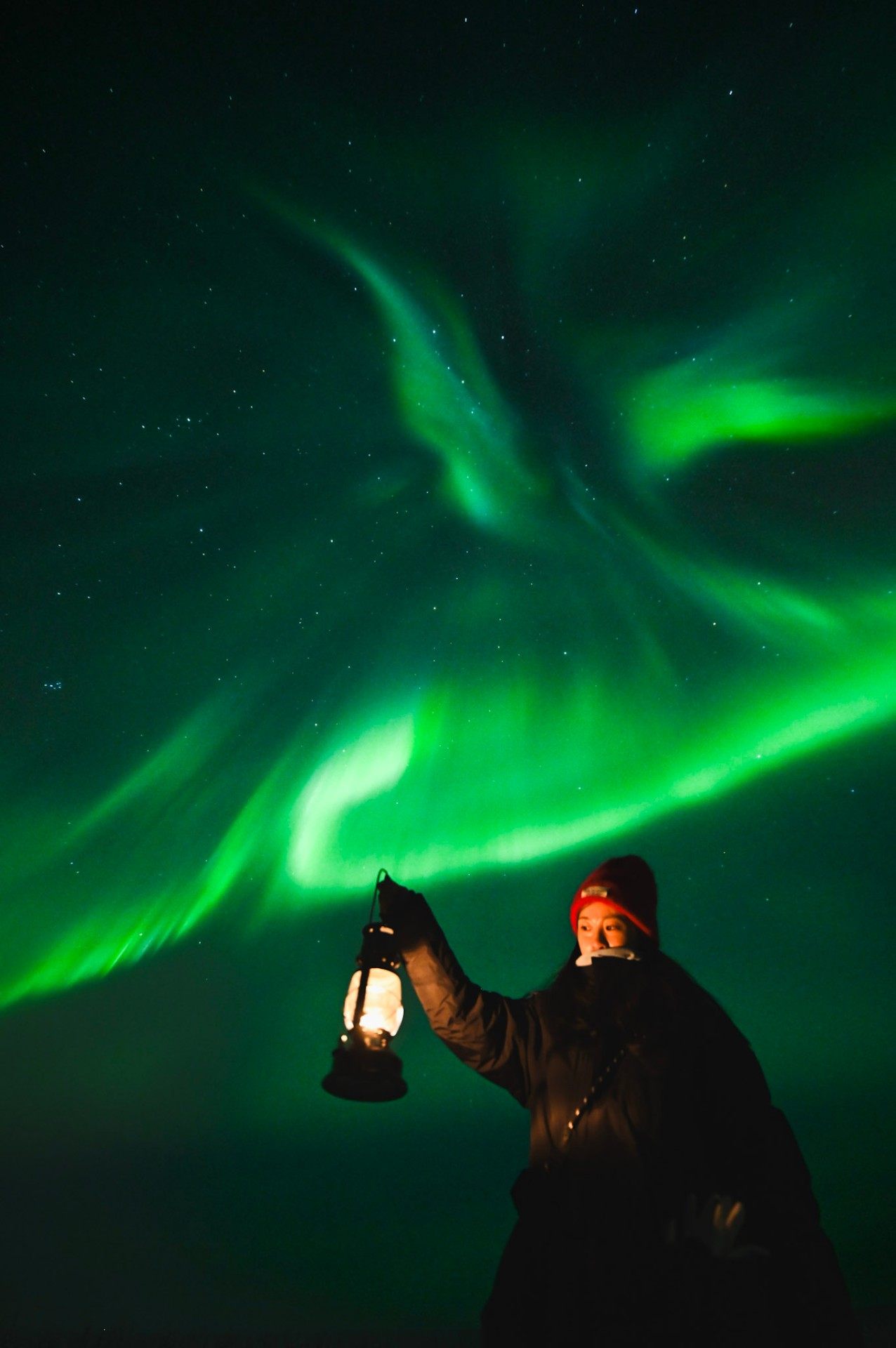
Quick answer: wear three layers: a merino or synthetic base layer, a fleece or wool mid layer, and a windproof, insulated outer layer, plus wool socks, a warm hat, a neck gaiter and mittens over thin gloves. Winter clothing is not included on our Northern Lights tours (our husky and snowmobile safaris provide it), so bring your own warm layers, or rent a thermal suit and boots in Rovaniemi if you do not own them.
Lapland in winter is cold. Not "put on a thick coat" cold, real Arctic cold. On a Northern Lights tour you will stand outside for long periods, sometimes in temperatures between −10 °C and −30 °C. Dressing the right way is not about fashion. It is about comfort, safety, and enjoying the aurora instead of shivering in the van.
The good news: you do not need to spend a fortune on specialist gear. With a few smart layers, good boots and warm mittens, you will stay warm and comfortable all night.
The layering system: keep it simple
Arctic clothing works in layers. Each layer has one job. Do not try to replace three layers with one thick coat, it will not work.
1. Base layer (moisture wicking)
The base layer sits next to your skin. Its job is to move sweat away so you stay dry. Wet skin gets cold fast in Arctic air.
- Choose merino wool or synthetic thermal underwear.
- Long sleeves and long leggings, full coverage.
- Avoid cotton. Cotton absorbs sweat and stays wet. In the cold, that means you freeze.
2. Mid layer (insulation)
The mid layer traps warm air close to your body. You can add or remove this layer depending on how cold it feels.
- Fleece sweater or wool pullover.
- Fleece trousers or warm leggings over your base layer.
- A thin down vest is a good extra if temperatures drop below −20 °C.
3. Outer layer (wind and water protection)
The outer layer blocks wind, snow, and freezing air. It is the layer most travellers are missing, so plan it first.
- A windproof, insulated ski jacket and ski trousers, or a one-piece thermal suit.
- It should be windproof, water-resistant, and warm enough for standing still at −20 °C.
- No suitable outer layer at home? Thermal suits can be rented in Rovaniemi for the days you need them.
Your packing checklist: head to toe
Use this list when you pack for Rovaniemi. Tick each item off before you leave.
Head and neck
- Wool or fleece beanie that covers your ears.
- Buff, neck gaiter, or balaclava to protect your cheeks and nose from wind.
- Thin liner gloves for operating your phone or camera.
Hands
- Thick, insulated mittens.
- Bring your own thin liner gloves underneath for handling cameras and phones.
- Mittens keep fingers warmer than gloves because your fingers share heat.
Feet
- Two pairs of merino wool socks, thin pair first, thicker pair on top.
- Insulated winter boots rated to around −30 °C, with room for two pairs of socks.
- Do not wear cotton socks. They hold moisture and your feet will get cold.
Body
- Merino wool or synthetic thermal underwear (top and bottom).
- Fleece or wool mid-layer sweater.
- Fleece trousers or warm leggings.
- Your windproof outer layer or thermal suit goes on top.
Extras
- Chemical hand and toe warmers, cheap, small, and very effective below −20 °C.
- A small backpack to carry extra layers, camera, and warmers.
- Lip balm and moisturizer, Arctic air is extremely dry.
What NOT to wear
Avoid these common mistakes. They will make you cold.
- Cotton: t-shirts, jeans, cotton socks. Cotton keeps moisture next to your skin. In Arctic temperatures, that moisture freezes.
- One thick coat instead of layers: A single heavy coat traps sweat and does not let you adjust if the temperature changes.
- Tight shoes or boots: Tight footwear reduces blood flow. Your feet need room to move and stay warm.
- Fashion scarves: They let wind in and do not wick moisture. Use a buff or balaclava instead.
- Thin city gloves: Regular winter gloves are not warm enough for standing still at −20 °C for hours. Use insulated mittens.
What to bring, and where to rent it
Winter clothing is not included on our Northern Lights tours, so come dressed for the cold. If you do not own Arctic gear, you do not need to buy it: rental shops in Rovaniemi rent out the key items for a few days. You can also book a full winter clothing set through us, from 39€ a day.
- Thermal suit, thick, insulated and windproof, the one item that makes the biggest difference.
- Winter boots, rated to around −30 °C, with thick soles for standing on snow and ice.
- Warm mittens, insulated and water-resistant.
- Hand and toe warmers, sold in most supermarkets and outdoor shops in town.
Bring your own base layers and a warm hat either way. If you do not have merino wool thermals, a good synthetic sports base layer from any outdoor shop works well.
How cold does it actually get in Rovaniemi?
Rovaniemi's winter is dry, dark and reliably below freezing. The Finnish Meteorological Institute's 1991-2020 climate normals for Rovaniemi airport put the January and February daily mean at −10.3 °C, with the average night low around −13 °C, and every winter brings spells of −20 to −30 °C. Wind chill makes it feel colder still. With the right layers, especially a windproof outer layer and good boots, these temperatures are completely manageable.
| Month | Average (24 h) | Average night low | Record low |
|---|---|---|---|
| November | −4.4 °C | −6.7 °C | −27.9 °C |
| December | −7.7 °C | −10.6 °C | −32.9 °C |
| January | −10.3 °C | −13.5 °C | −38.1 °C |
| February | −10.3 °C | −13.3 °C | −35.0 °C |
| March | −5.6 °C | −9.1 °C | −27.5 °C |
Source: Finnish Meteorological Institute, temperature statistics for the 1991-2020 normal period, Rovaniemi airport station. Aurora tours run at night, so plan for the "night low" column, not the daily average.
Remember: you are not hiking. You are standing still, looking up at the sky. That means you generate almost no body heat. Layers matter more here than on a ski slope.
A few practical tips from our guides
- Put your layers on 30 minutes before the tour starts. Do not wait until you are outside.
- Keep your phone close to your body, battery life drops fast in the cold.
- Move your toes and fingers every few minutes to keep blood flowing.
- If you feel cold, tell your guide immediately. Do not try to be tough.
- Drink warm fluids before the tour. A warm body starts from the inside.
Ready for your Northern Lights tour?
Dressing right is half the battle. The other half is choosing a tour that knows where to find the aurora, and guarantees you see it, or your money back.
Browse our Northern Lights tours and book your chase. We bring the hot drinks and the know-how. You bring the warm layers.
Frequently Asked Questions
Will I be warm enough on the tour?
Yes. If you follow the layering system with a windproof outer layer, warm boots and mittens, you will stay comfortable. Our guides also carry extra hand warmers and blankets in the van.
Do I need to buy expensive Arctic clothing before my trip?
No. Winter clothing is not included on our Northern Lights tours (our husky and snowmobile safaris provide it), but you do not need to buy specialist gear either. Thermal suits and winter boots can be rented in Rovaniemi for the days you need them. You can book a clothing set through us from 39€ a day. Bring your own base layers and a warm hat, and you are ready.
Can I wear jeans and a normal winter coat?
Jeans are not recommended, denim holds moisture and freezes quickly in Arctic temperatures. A normal city winter coat is usually not windproof or insulated enough for standing still at −20 °C for several hours. Use the layering system instead.
What if I get cold during the tour?
You can return to the heated van at any time. Our guides check on the group regularly and will offer hand warmers if anyone feels cold.