Month by month
Northern Lights in Rovaniemi in February
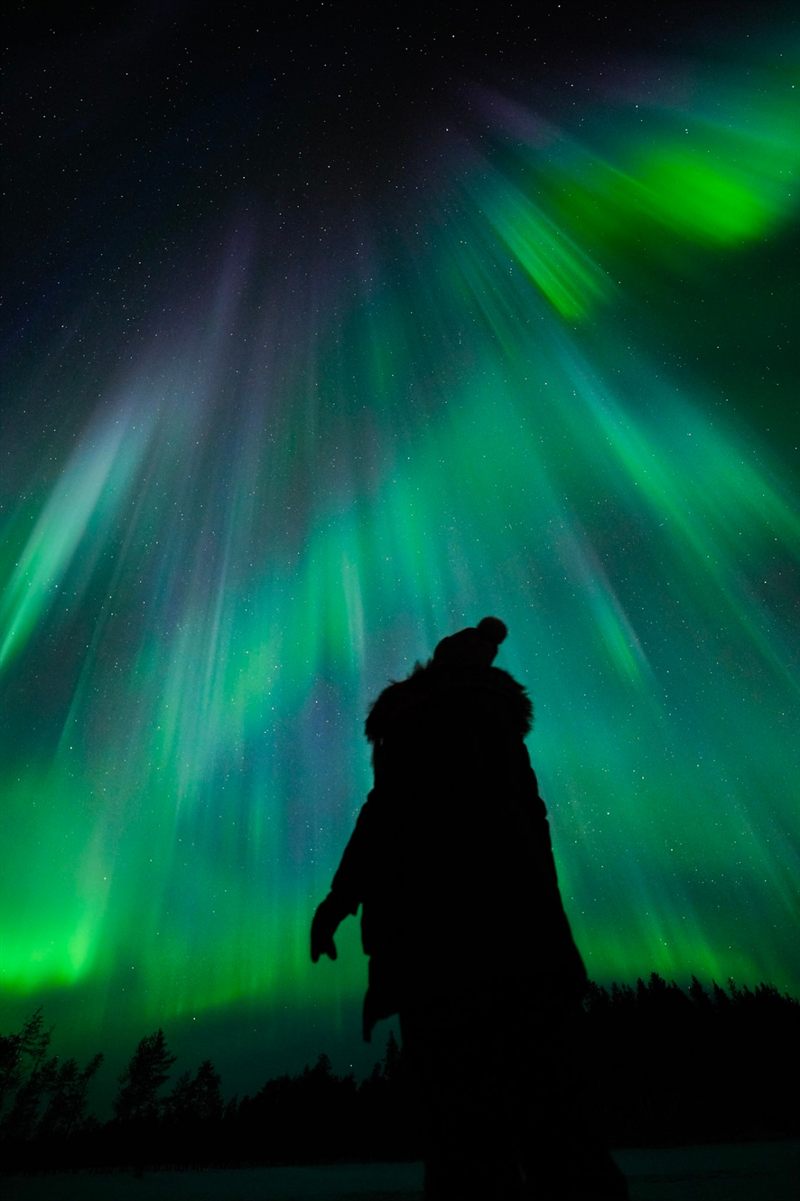
February is one of the best months for the Northern Lights in Rovaniemi: clearer skies than midwinter, 10 hours of darkness, deep snow and returning daylight. Odds, weather and what to book.
Short answer: February is one of the two best winter months for the Northern Lights in Rovaniemi, alongside March. Skies are clearer than in December and January, there are still about 10 hours of full darkness, the snow is at its deepest and driest, and daylight is back for daytime activities. It is still properly cold, with the same −10.3 °C daily mean as January, so pack for winter.
If you want one month that combines strong aurora odds, deep snow for huskies and snowmobiles, and enough daylight to enjoy them, February is our recommendation.
February in Rovaniemi at a glance
| Fact | February |
|---|---|
| Daylight (mid-month) | About 8 hours |
| Sunrise / sunset (mid-month) | About 08:28 to 16:35 |
| Full darkness for aurora (sun more than 18° below the horizon) | About 10 hours |
| Average temperature, 24 h | −10.3 °C |
| Average night low | −13.3 °C |
| Record low | −35.0 °C |
| Snow | Deep; 60 cm or more on open ground |
| Aurora odds (our scale) | Excellent |
| Typical cloud | Moderate; clearer than December and January |
| Our average chase distance | About 60-80 km each way |
| Crowds and prices | Moderate; Finnish and Central European school holidays fall in late February |
Sources: Finnish Meteorological Institute, temperature statistics 1991-2020 (Rovaniemi airport); Finnish Meteorological Institute, snow statistics; Polar Lapland tour logs. Sunrise, sunset and darkness figures are calculated for Rovaniemi (66.5°N) with standard solar formulas and rounded; they shift by a few minutes across the month.
What February is actually like
Daylight roughly doubles during February. Mid-month the sun rises at about 08:28 and sets around 16:35, and by the end of the month there are ten hours of light. The sun climbs high enough to feel warm on your face even at −15 °C, and the snow sparkles. Full darkness still lasts about 10 hours, from roughly 19:00 to 05:00, which is more than enough for an aurora hunt.
Statistically February is just as cold as January: the FMI 1991-2020 normals give a daily mean of −10.3 °C and an average night low of −13.3 °C. But February cold tends to come with high pressure and clear sky, which is exactly what aurora hunters want.
Your odds of seeing the aurora in February
The Finnish Meteorological Institute records auroras on roughly half of all nights in the Lapland resort belt, and names late winter as the best period in northern Finland. February delivers the first of the two equinox-season peaks in geomagnetic activity, with clearer skies than midwinter. In our own logs February and March are the months with the shortest average chase distances after September: we usually find clear sky within 60-80 km of town instead of 120 km.
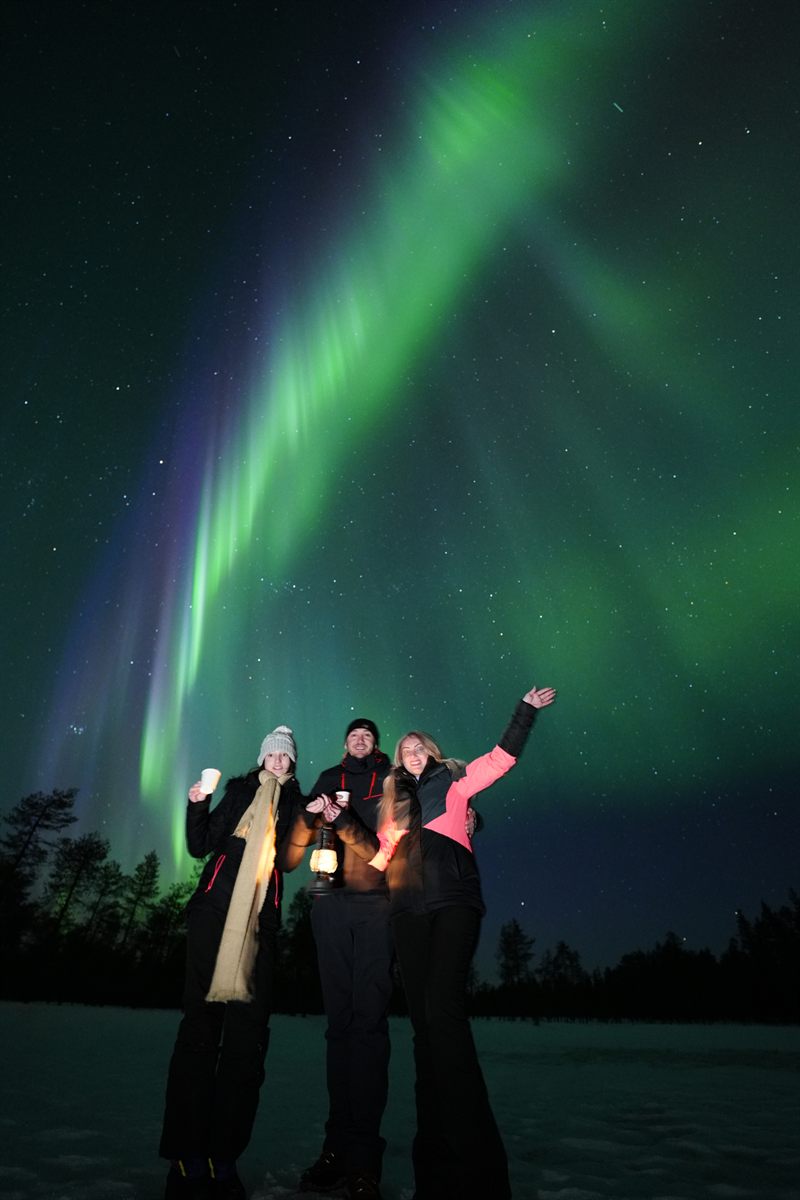
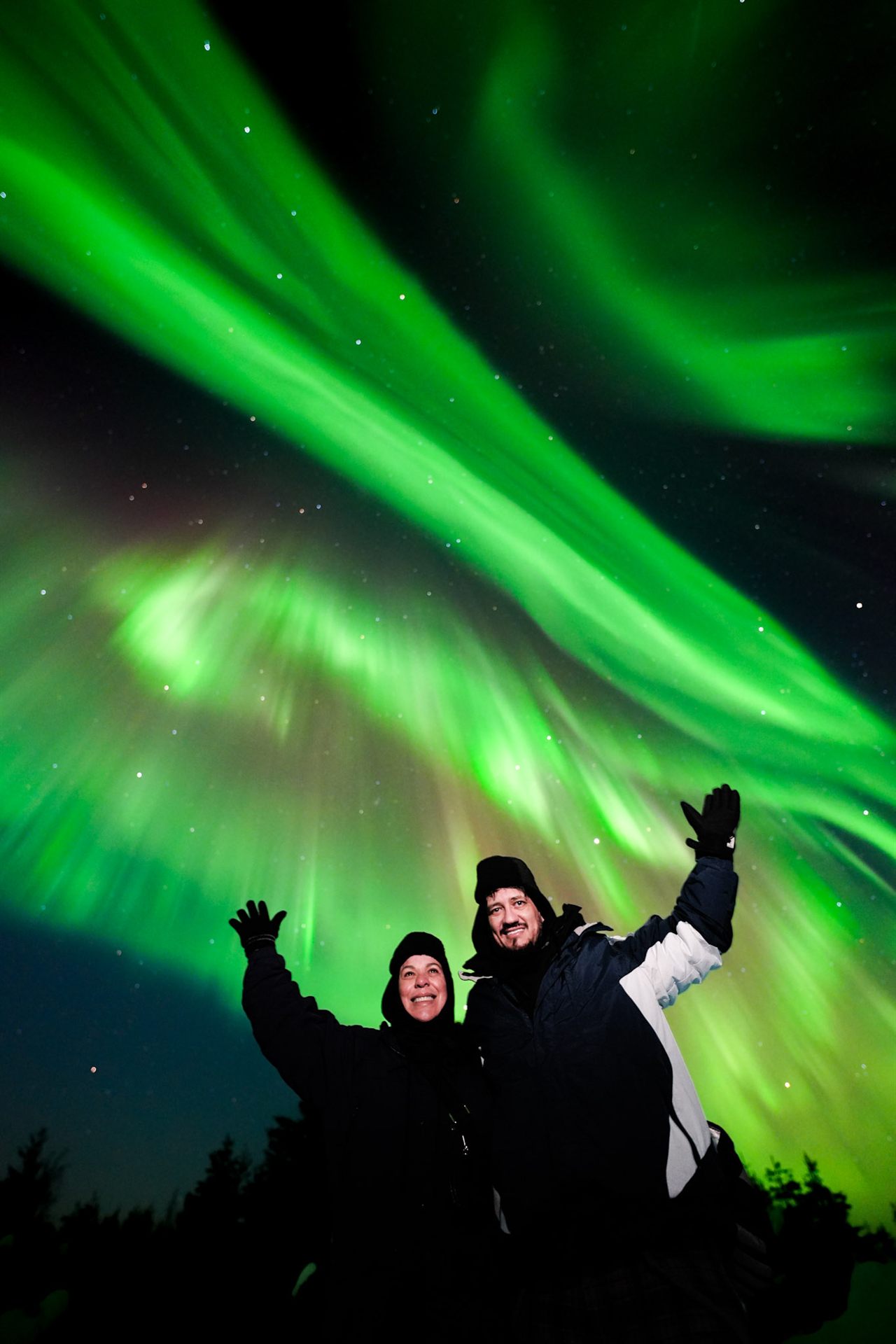
Every hunt is still planned from scratch on the night, from live cloud models and the solar wind. On the rare February evening when the whole region is clouded in, we drive, and the Aurora Guarantee refunds you if we still come home without a photo of you under the lights.
What to book in February
- Two aurora nights, not one. With odds this good, two hunts on separate nights give you a very high combined chance and two completely different skies. Book the group tour and the small-group tour, or ask us to build a package.
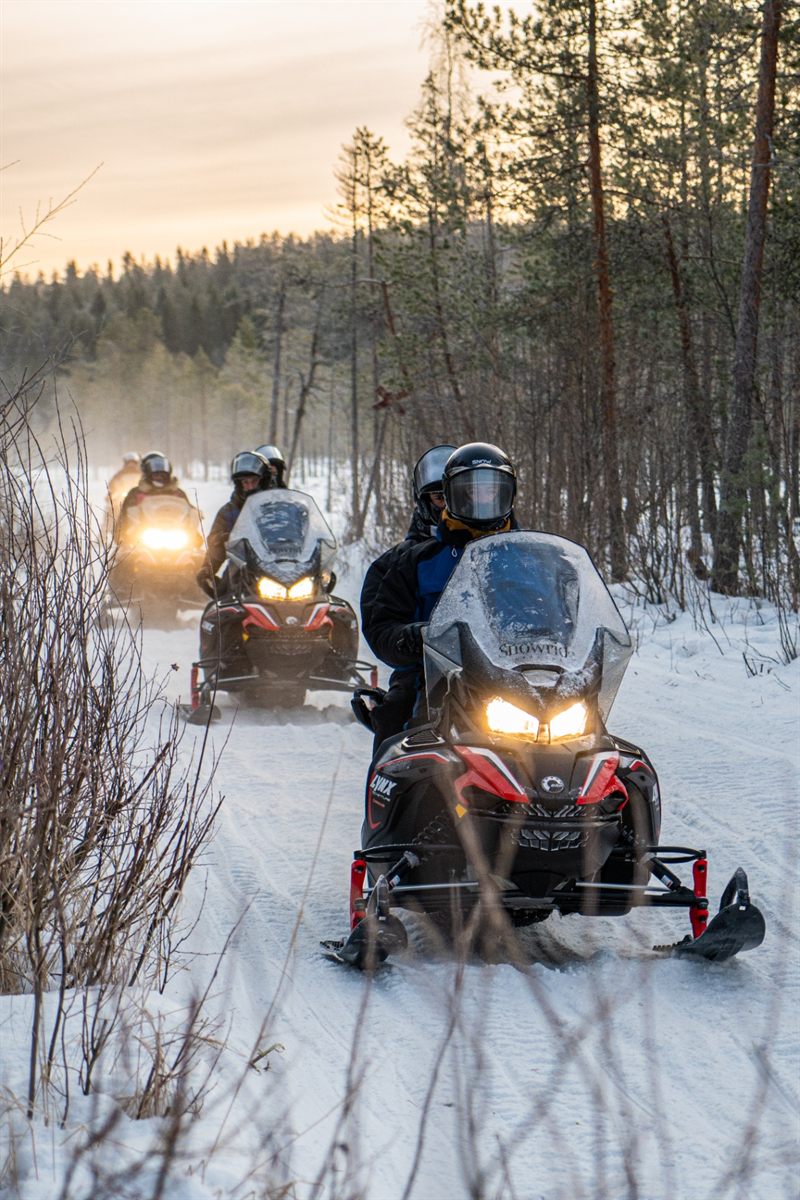
- Daytime on snow. Deep snow and real daylight make February the best month for the 5 km husky safari, snowmobiling and the reindeer farm.
- Korouoma and Riisitunturi. Both day trips are at their best: the ice falls are at full height and the tykky trees still carry their snow. Pair a Korouoma day with an aurora night.
- Photography. Snow on the ground, moderate cloud and long dark hours make February the photographers' month. Read our aurora photography tips.
Watch the school holidays
Finnish schools take their winter holiday in late February and early March, staggered by region, and several Central European countries have half-term breaks in the same weeks. Rovaniemi fills up with families, and cottages and apartments in particular go early. Early February is quieter and just as good for the aurora. See where to stay for the areas that work best.
Whichever tour you pick, every Polar Lapland aurora hunt comes with the 100% money-back Aurora Guarantee: no photo of you with the Northern Lights, no payment.
Frequently Asked Questions
Is February a good month for the Northern Lights in Rovaniemi?
Yes, one of the best. February combines about 10 hours of full darkness with clearer skies than December and January and the first equinox-season rise in aurora activity. In our logs it is one of the months with the shortest chase distances and the highest success rates.
How cold is Rovaniemi in February?
As cold as January on paper: the FMI 1991-2020 normals give a daily mean of −10.3 °C and an average night low of −13.3 °C, with a record of −35.0 °C. February cold usually comes with clear, calm high-pressure weather, which is good news for aurora hunting.
How much daylight is there in Rovaniemi in February?
About 8 hours in mid-February, growing to about 10 hours by the end of the month. Sunrise is around 08:28 and sunset around 16:35 mid-month, so daytime tours run comfortably from late morning to mid-afternoon.
Is there enough snow in February for husky and snowmobile tours?
Yes. February and March are the deepest-snow months in Rovaniemi, typically 60 cm or more on open ground and much more in the forest. All snow activities run daily.
Is Rovaniemi busy in February?
Moderately. Early February is quiet; the last week of February and the first week of March are busy with Finnish and Central European school holidays. Book accommodation early for those weeks.